
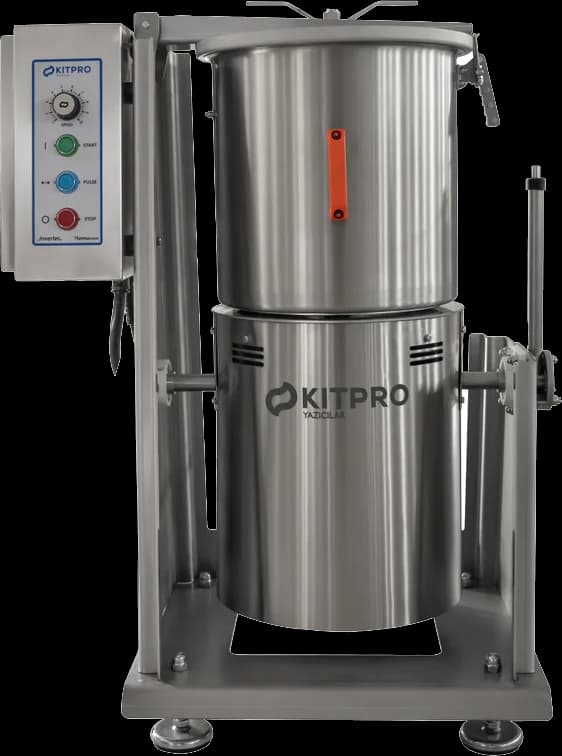
Bowl size and motor power: the main price driver
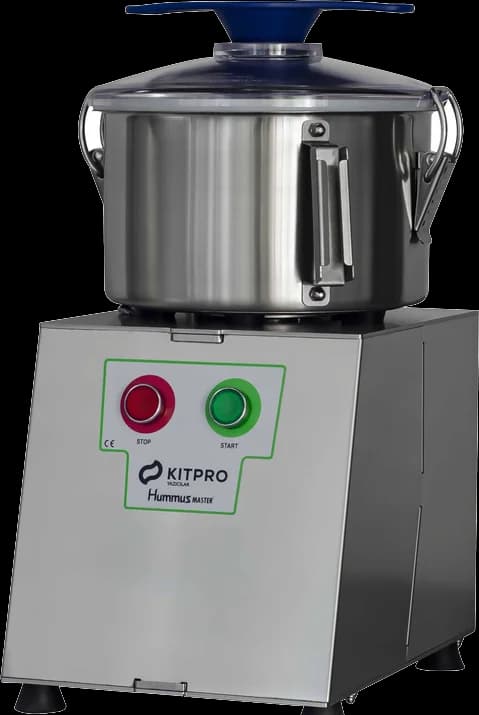
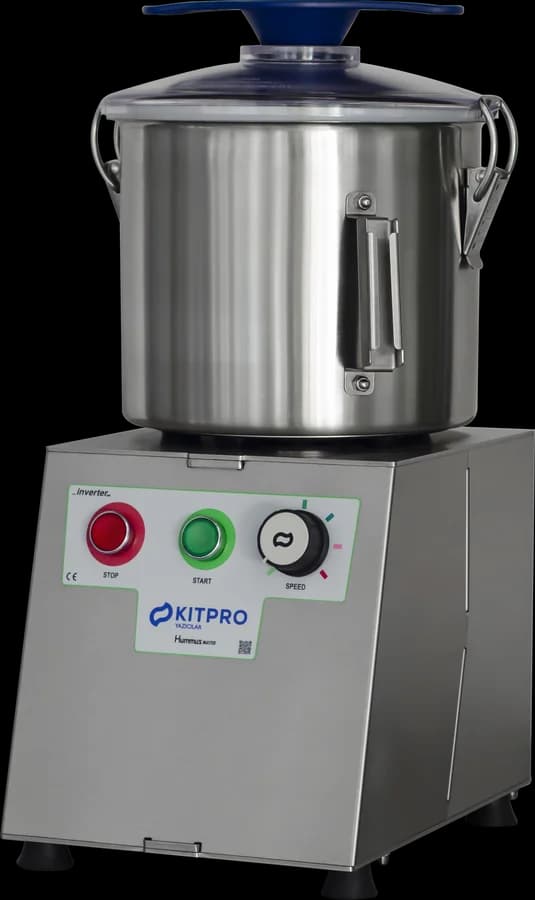
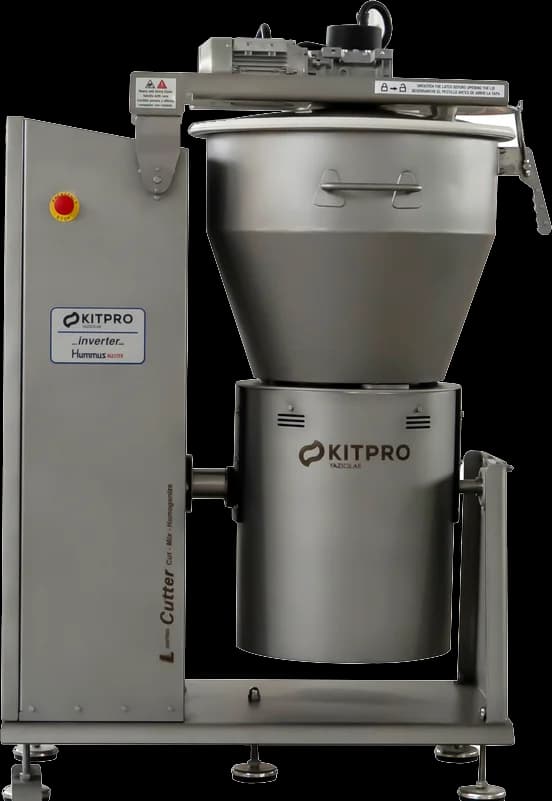
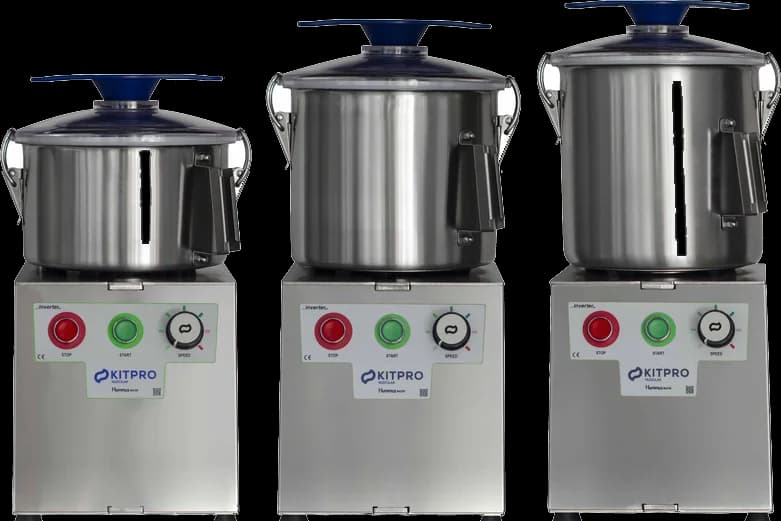
As the bowl grows, the whole machine grows with it: motor, drive train, bearings and frame. In the KITPRO range the 6-litre DPS runs on a 0.55 kW motor, while the 120-litre L120IV uses 15 kW and the 200-litre L200IV 22 kW. The motor and drive train are the largest single item in a cutter's cost.
That is why the first step is choosing the right size. A machine larger than you need raises both the initial investment and energy use; one that is too small leads to overtime, more batches and early wear. To size the bowl, use the method in our "What size cutter do I need?" guide.
| Bowl | Motor | Speed control | Discharge and extras | |
|---|---|---|---|---|
| DPS Series | 6-12 L | 0.55-0.75 kW | Fixed (1,500 rpm) | Countertop body |
| DIV Series | 6-12 L | 0.75-1.5 kW | Inverter (600-3,000 rpm) | Removable bowl |
| 20-30 Litre Series | 20-30 L | 2.2-5.5 kW | Inverter + pulse | Tilting bowl |
| 45-65 Litre Series | 45-65 L | 7.5-11 kW | Inverter | Tilting bowl |
| L120IV / L200IV | 120-200 L | 15-22 kW | LED touchscreen | Powered tilting, Euro-bin |
| Jacketed Series | 75-150 L | 15-22 kW | Touch temperature panel | Water (85 °C) / oil (160 °C) jacket |
Speed control: fixed speed or inverter?
Direct-drive, fixed-speed machines are the most economical route. The DPS series runs at 1,500 rpm; for a kitchen producing one product with one texture it is usually enough, and its design is quiet and maintenance-free.
An inverter drive adds to the price, but it lets the same machine produce everything from a coarse chop to a smooth paste. On the DIV and L series, speed is adjusted steplessly between 600 and 3,000 rpm. The rule is simple: if your range includes more than one texture or your recipes change often, choose an inverter; if you make a single product, fixed speed will do. For a detailed comparison, see our "Inverter or fixed speed?" guide.
Discharge, heating and control equipment
On small and mid-size machines the bowl is tilted or lifted out by hand. The 120 and 200-litre machines add a powered lid and bowl tilt with direct discharge into a Euro-bin trolley. This equipment raises the price, but with batches of tens of kilograms it markedly reduces labour and the risk of workplace injury.
A double-walled (jacketed) bowl combines cooking and mixing in one machine: a water jacket heats up to 85 °C, an oil jacket up to 160 °C. It removes the need for a separate cooking kettle and product transfer, but if temperature is not part of your recipe you do not need it.
Controls range from a push-button panel to an LED touchscreen and a PLC with recipe memory. Recipe memory keeps every batch identical in plants where several operators work. Body and bowl material also affect the price: AISI 304 stainless steel is the standard for food-contact surfaces, so check the material on any unusually low quote.
- Spare bowl and blade set: one set is washed while production continues with the other.
- Laboratory versions: flat blades, internal bowl baffles and a high-torque motor.
- Power supply: countertop models run on 230 V single phase; large models need 400 V three phase, and your installation must be ready for it.
How to compare quotes
The list price is only part of what a machine costs you. The real cost includes energy, blade sharpening and replacement, spare parts, production lost to breakdowns, and labour. A cheap machine that stops often wins back the price difference within a few years.
Compare quotes on the same equipment: if bowl size, motor power, speed control and discharge are not the same, the prices cannot be compared either. To weigh machine production against your current manual work, our ROI Calculator estimates the payback period from batch time and labour.
- What is the warranty period and scope; are the motor and electronics covered?
- How quickly are spare parts such as blades, seals and scrapers supplied?
- Who provides installation, operator training and service?
- Is the machine tested under load before shipment?
- Are delivery time and shipping included in the price?