
KITPRO | YAZICILAR
Technology

Inverter or fixed speed? Speed control in cutter selection

Two machines side by side in a catalogue can share a bowl size and a similar body yet carry a clear price difference. Almost always, the difference is speed control. This guide sets out where that difference pays for itself and where it is cost you do not need.

4 min read
Short answer

An inverter-controlled cutter lets you set blade speed steplessly between 600 and 3,000 rpm; fixed-speed models run at a single speed, typically 1,500 rpm. If you make one product to one unchanging recipe, fixed speed is sufficient and more economical. If your recipe mix varies, if texture is critical, or if you have to limit heat rise, an inverter is essential, because texture and temperature are both managed through speed.

Inverter or fixed speed? Speed control in cutter selection

What an inverter does

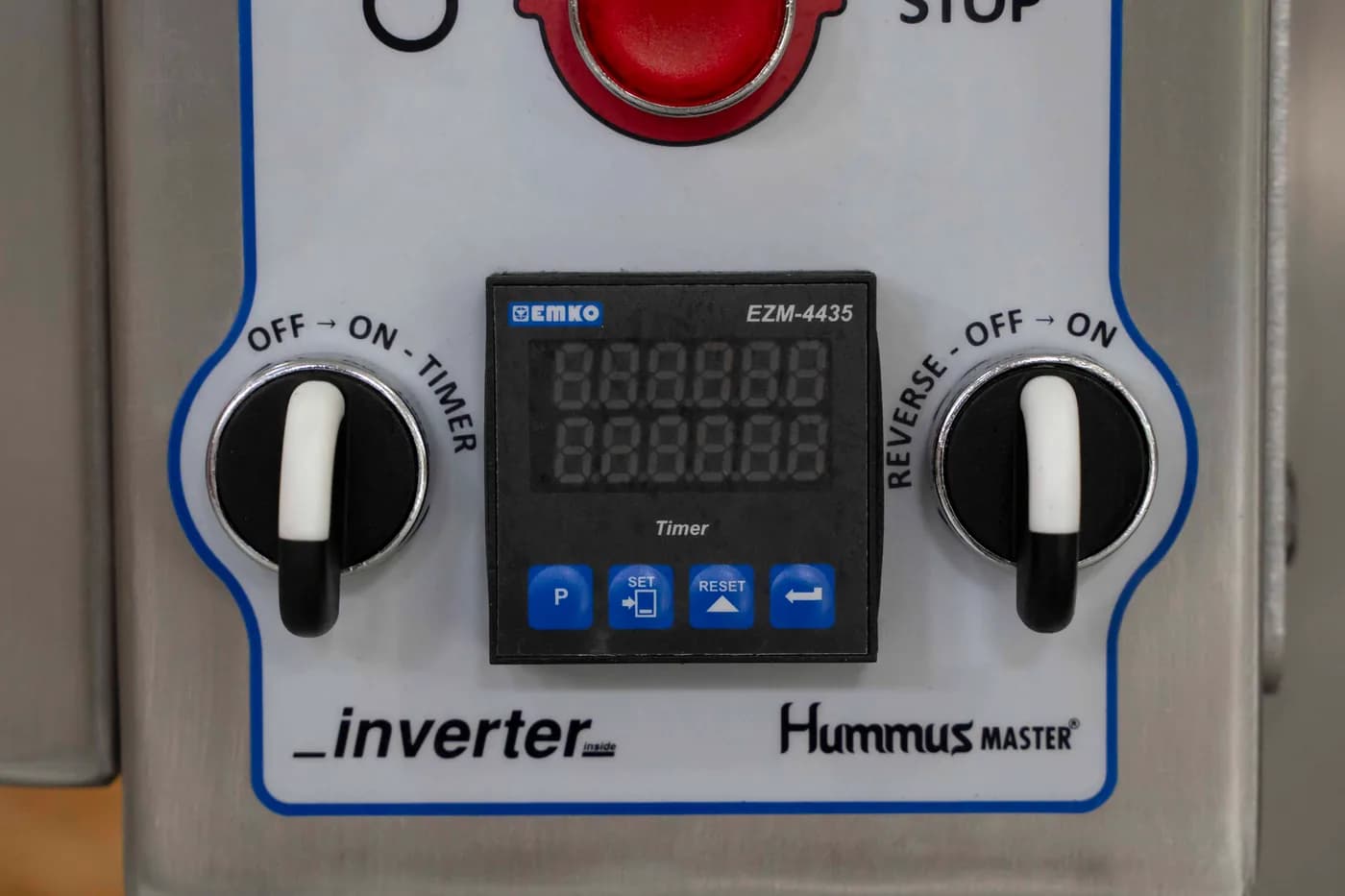
An inverter (a frequency drive) changes the frequency of the power reaching the motor and so adjusts speed steplessly. Every speed you dial in is delivered with steady torque, so the machine does not lose power as it slows.

In food production that translates directly into texture. In the same bowl you get a coarse chop at low speed, a homogeneous mix at mid speed and a smooth paste at high speed. Changing speed through the batch (starting low and finishing high) is on its own the difference in quality for many products.

The second effect is heat. Friction heat rises with blade speed. With heat-sensitive products (hummus, spices, chocolate fillings) running longer at low speed beats running briefly at high speed. On a fixed-speed machine that option does not exist.

The two technologies compared

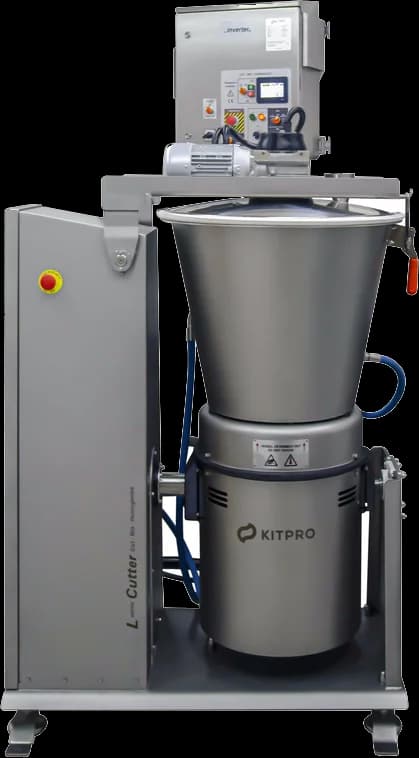
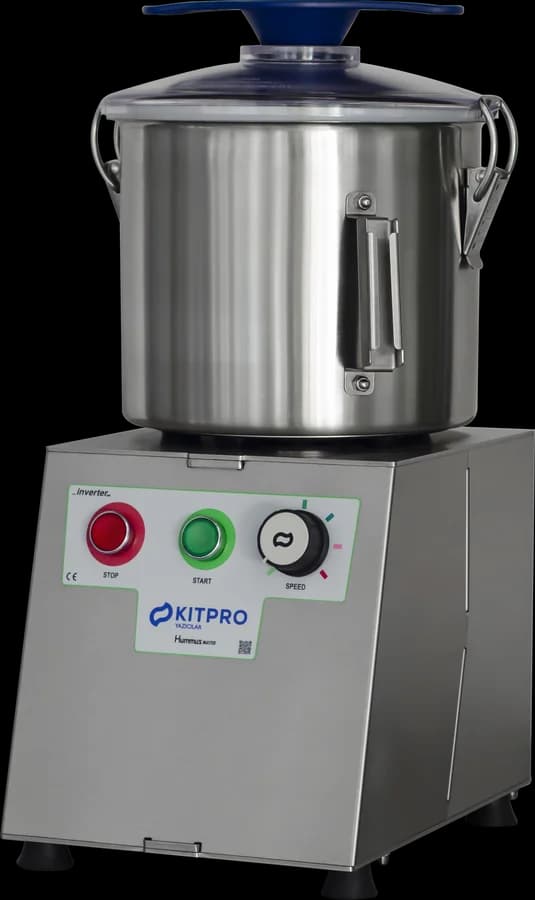
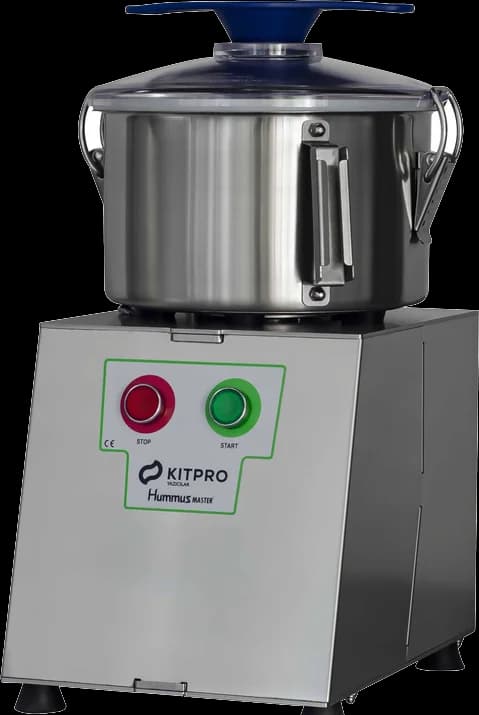
The table takes two series from the KITPRO countertop range as the example: the inverter-driven DIV and the fixed-speed DPS. The same logic applies further up the range.

Inverter (DIV)Fixed speed (DPS)
Speed600-3,000 rpm, stepless1,500 rpm, fixed
Texture controlAdjustable through the batchOne texture
Heat managementLimited by running slowerLimited
Soft startYes: protects drive and productDirect start
EnergyOnly the speed neededFull power every batch
ComponentsElectronic controlFewer parts
Initial costHigherMost economical
Best forVaried recipe mixOne product, fixed recipe

When fixed speed is enough

Fixed speed is not a shortcoming, it is a different choice. If all of the following are true for you, the premium for an inverter will not pay for itself.

  • You make one product family and the recipe has not changed in years.
  • The product is not heat sensitive and batch times are already short.
  • Operators change often and a simple panel is preferred.
  • Maintenance resources are limited and fewer electronic components are welcome.

The hidden benefit of soft start

The contribution most often overlooked is what happens the moment the machine starts. A fixed-speed motor starts abruptly against a full bowl, stressing belts, bearings and the shaft on every batch.

Inverter models ramp up instead. Mechanical stress falls, the blade takes hold of the product without throwing it, and nothing splashes up the bowl wall. On a machine running dozens of batches a day, that visibly extends the service interval.
Related Machines

The machines covered in this guide

KITPRO models that match the criteria described here.

Frequently Asked Questions

Common questions about Technology

Does an inverter save energy?

Yes, because the motor runs at the speed the job needs rather than full power every batch. When a coarse chop does not need 3,000 rpm, running at 1,200 rpm noticeably cuts consumption. How much you save depends on your recipe mix; with a single high-speed product the difference is small.

Can an inverter be fitted to a fixed-speed machine later?

Technically possible, but not advisable: the motor, pulley ratio and panel were not designed for it, so torque drops at low speeds and motor cooling suffers. If the need is clear, the right answer is to buy the inverter model in the first place.

Do inverter machines break down more often?

There are more electronic components but less mechanical fatigue. In practice the distribution of faults changes while total service need stays similar. The inverter drive is a separate module. If it fails, you replace the drive, not the motor.

What does each speed range give me?

As a general pattern: 600-1,200 rpm for coarse chopping and pre-mixing; 1,200-2,000 rpm for homogeneous mixing and the start of emulsification; 2,000-3,000 rpm for smooth pastes and full emulsification. Exact figures depend on moisture and fat content and are set per recipe during commissioning.

Related Productions

Where this applies

Solution pages built around what you produce.

Let's find the right machine for your production

Answer two questions to find your match, or request a quote directly. Our engineering team replies within 24 hours.