

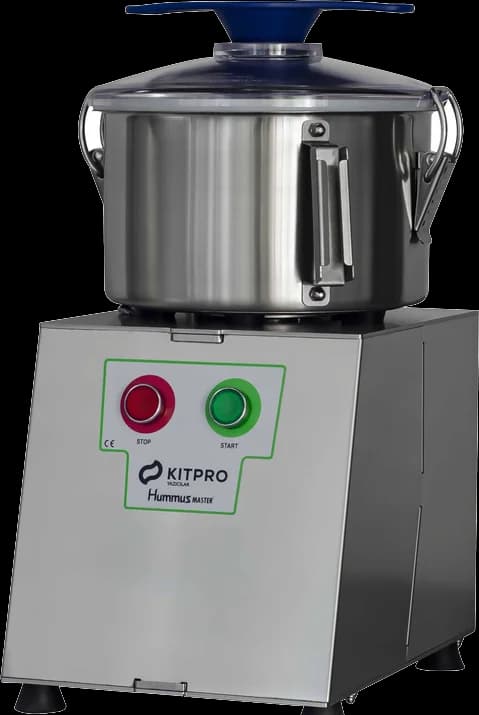
Jarred sauces on supermarket shelves are remarkably diverse: pepper and tomato relishes, pestos, mustards, olive and nut spreads, pâtés. What they share is the need for the same texture in every batch. Easy cleaning, hygienic seals and precise speed control make KITPRO cutter mixers ideal for sauce work, from artisan batches to industrial production.
What it brings to Sauce & Paste Production
The advantages that make the difference in this application area.
Easy cleaning
The blade assembly comes off without tools; bowl, lid and seal are washed separately. Switching recipes takes minutes.
Hygienic seals
The lid closes the bowl completely with a food-grade silicone seal: no sauce leaks out, nothing gets in from outside.
Speed control
On inverter models the speed is stepless: from a coarsely chopped relish to a smooth cream in the same machine.
From artisan to industrial
From 6-litre countertop models to 200-litre industrial cutters; the recipe grows, the method stays the same.
From raw material to jar
A jarred sauce's journey can be summed up in six steps. KITPRO cutter mixers come in at the steps where texture and flavour are decided.
- 01
Raw material preparation
Vegetables are washed and trimmed; peppers and aubergines are roasted where needed. The cutter mixer takes large pieces directly, so no fine pre-chopping is required.
- 02KITPRO
Chopping and texture
Coarse chopping with pulse, then a gradual speed increase up to the target texture. A chunky relish and a smooth sauce come from the same machine by changing only speed and time.
- 03KITPRO
Cooking
Sauces that need cooking are heated while mixing in the Jacketed (Heated) Series: up to 85 °C with the water jacket, up to 160 °C with the oil jacket.
- 04KITPRO
Emulsifying and homogenising
Ingredients such as oil, vinegar and lemon juice are bound with a gradual speed increase, giving a stable sauce that does not separate on the shelf.
- 05
Filling and capping
The tilting bowl makes it easy to transfer the sauce to the filling line or a container without scooping.
- 06
Heat treatment and labelling
Depending on the product, hot filling, pasteurisation or a cold chain is applied, followed by labelling and dispatch.
Which machine for which scale?
Sauces are made in restaurant kitchens, in the central kitchens of doner chains and in factories producing branded sauces. Three scales, three machine families:
DIV · DPS · VegiCut
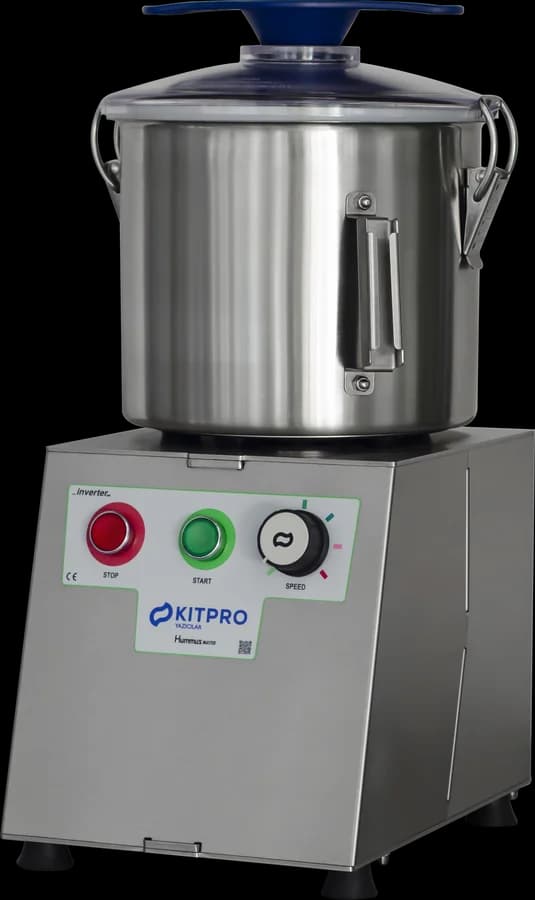
6-12 litre countertop cutters: fresh daily sauces, small jarred batches and recipe trials. The VegiCut VC8-S offers the widest speed range, 300-3,600 rpm.
20-30 L · 45-65 L Series
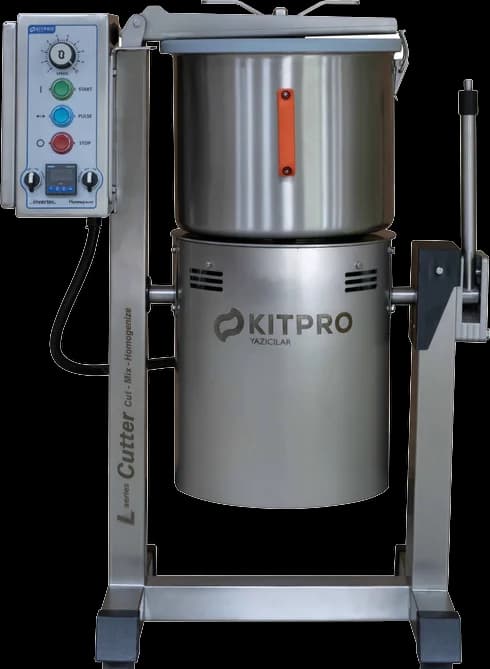
Floor-standing cutters for doner and restaurant chains, catering and growing sauce brands. The tilting bowl empties the batch in one go.
L120IV · L200IV · Jacketed Series
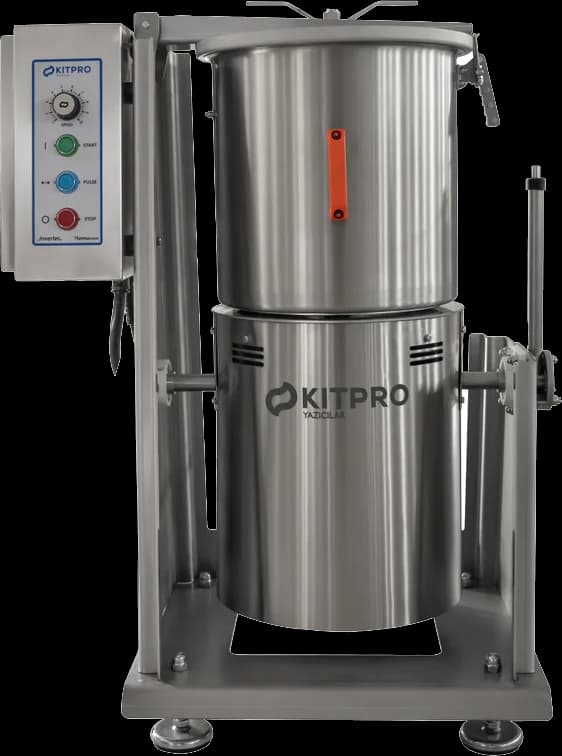
120 and 200 litre cutters for continuous factory production; 75 and 150 litre heated jacketed models for cook-and-mix processes.
Make your doner sauces in a central kitchen
Including doner shops' own signature sauces, garlic yoghurt sauce, chilli sauce, tahini sauce or toum, the garlic sauce no shawarma is served without, can all be produced in batches in a central kitchen. Every branch receives the same sauce from the same recipe.
- One recipe: the same taste and consistency in every branch
- Less time and staff spent on sauce preparation in the branches
- Batch production; fast emptying with the tilting bowl
- The Jacketed (Heated) Series for cooked sauces
Let's plan the machines and batch sizes together based on your number of branches and daily sauce demand.
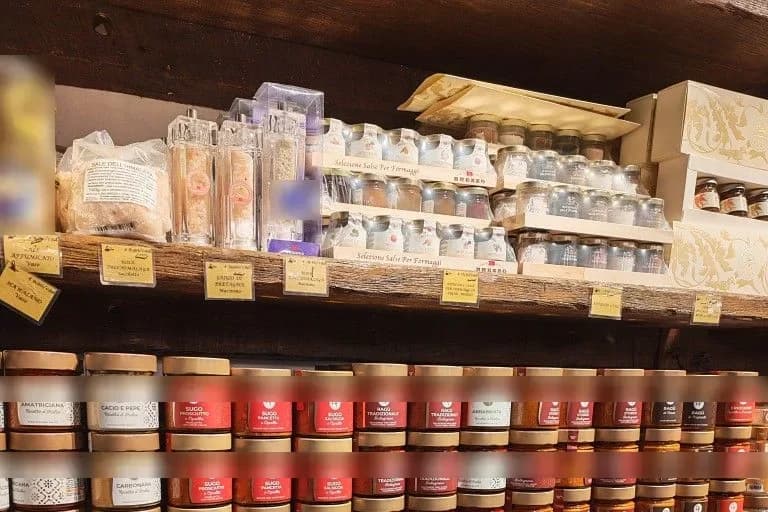
Jarred sauces: the variety on the shelf
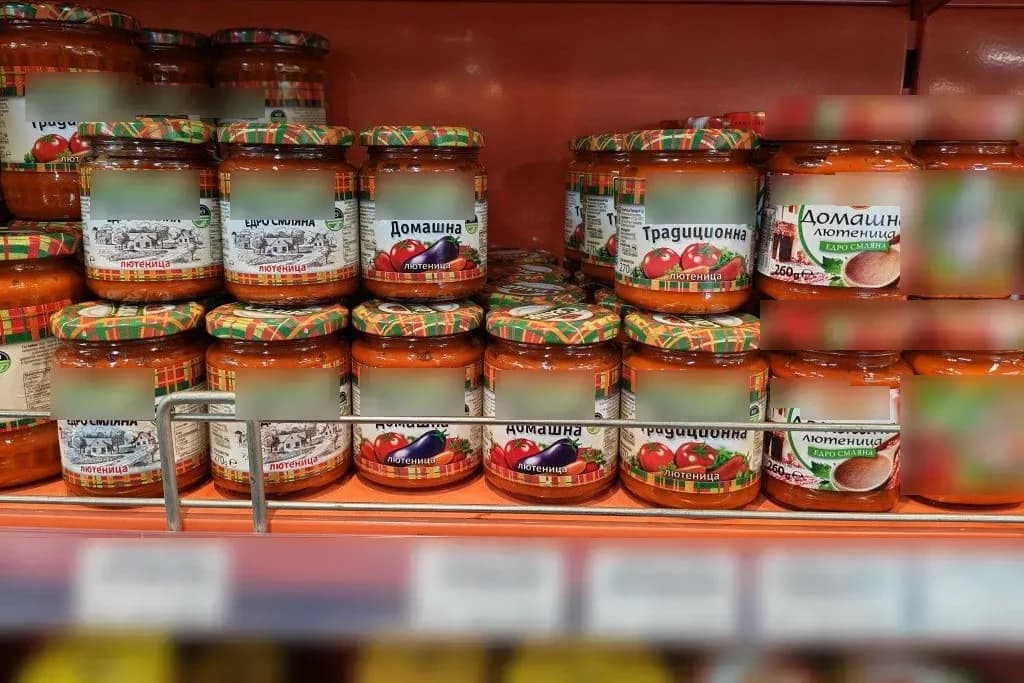
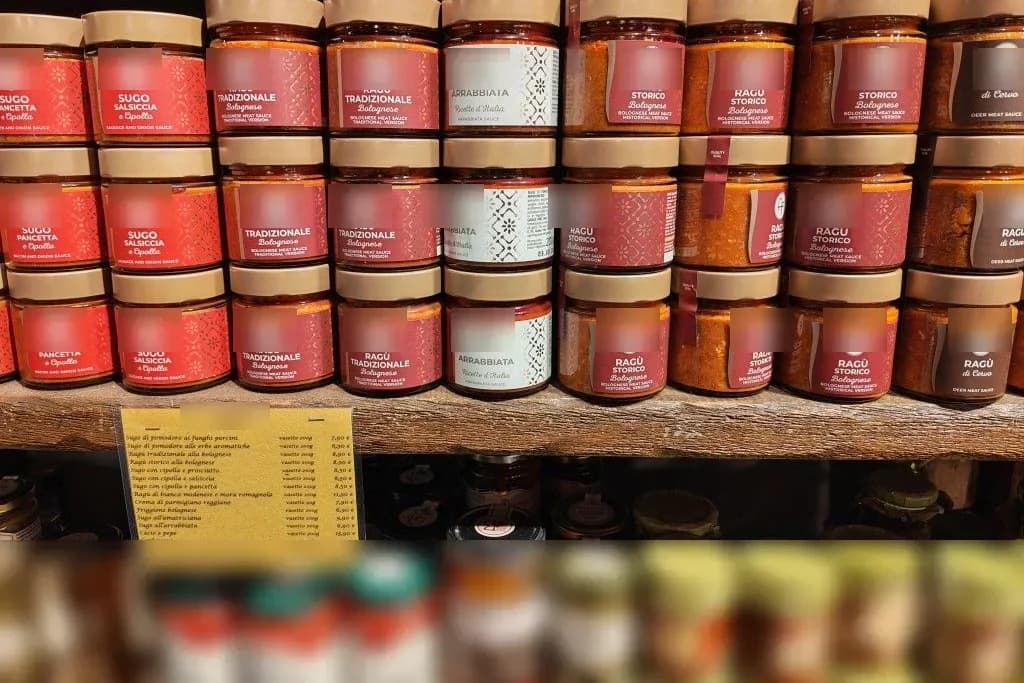
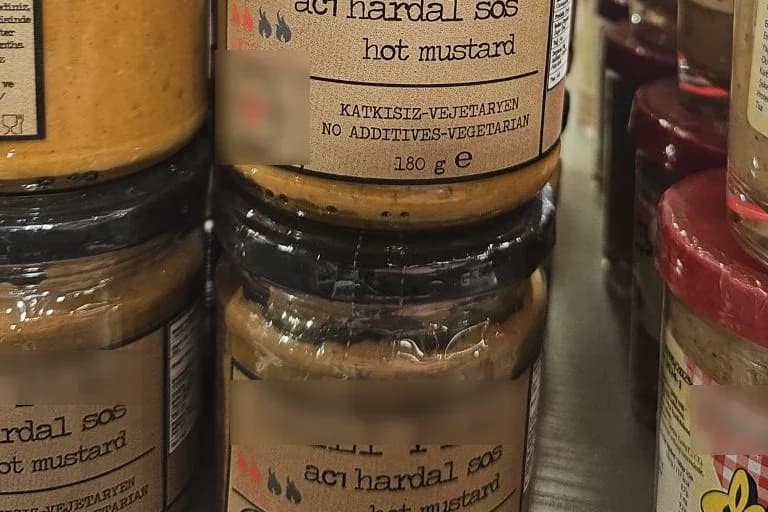
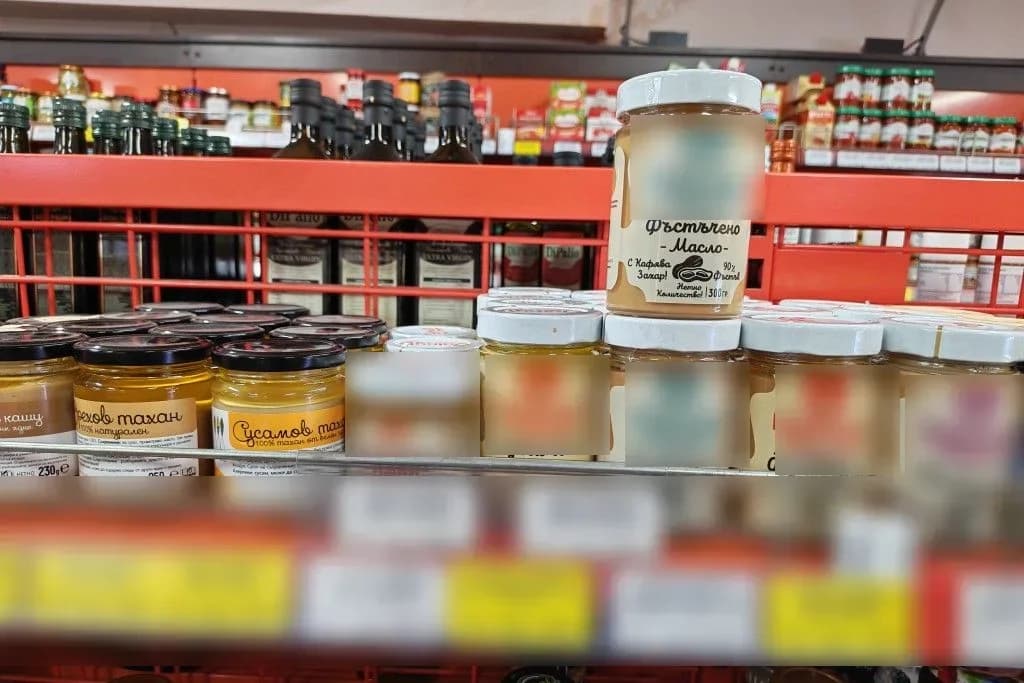
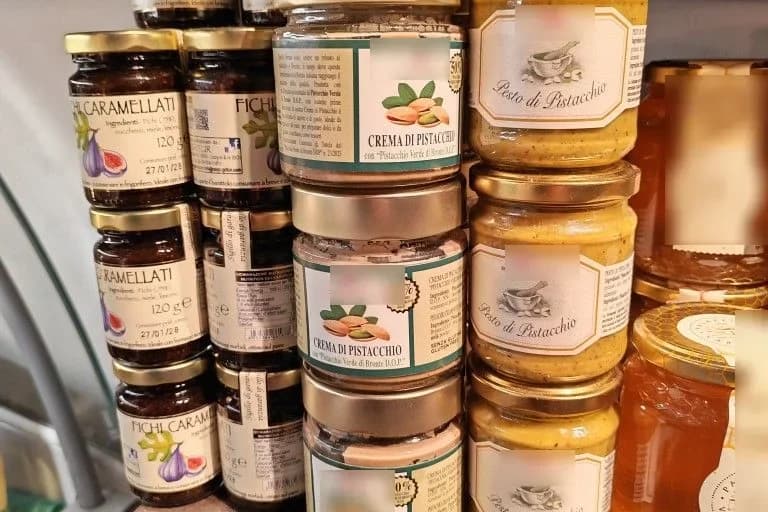
One look at a supermarket shelf shows how wide the world of sauces is: relishes made from roasted peppers and tomatoes, Italian-style ragù and tomato sauces, hot mustards, organic olive spreads, peanut and sesame butters, pâtés, minced ginger. Each comes from a different raw material, with a different texture.
On the production side this variety means one thing: the same machine must turn out a chunky pepper relish one day and a smooth cream the next. Because the cutter mixer chops, purées, mixes and emulsifies in a single bowl, it sits at the centre of jarred sauce production.
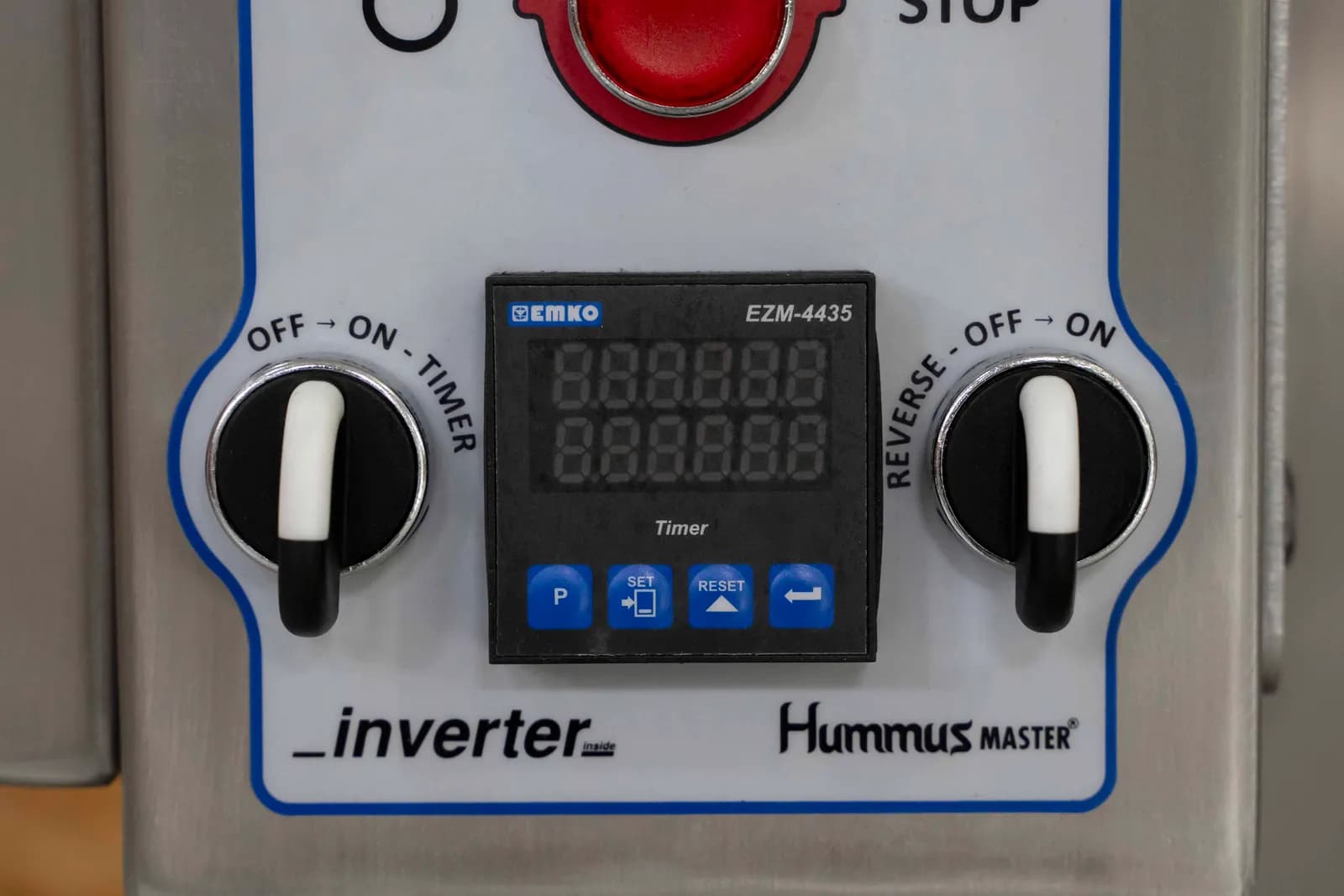
Speed control: the recipe sets the texture
A sauce's texture is set by the speed of the blade and how long it runs. Low speed mixes without crushing; high speed produces a smooth, homogeneous mass. In leaf-based sauces such as pesto, running too long causes heating and loss of colour; in an olive spread, one turn too many turns a chunky texture into paste.
On inverter-driven KITPRO models the speed is stepless and the digital timer holds the time to the second. The instant pulse button leaves coarse chopping in the operator's hands. Yesterday's batch and today's come out with the same texture; for kitchens that want a single speed and a station that is easy to learn, there is the fixed-speed DPS series.
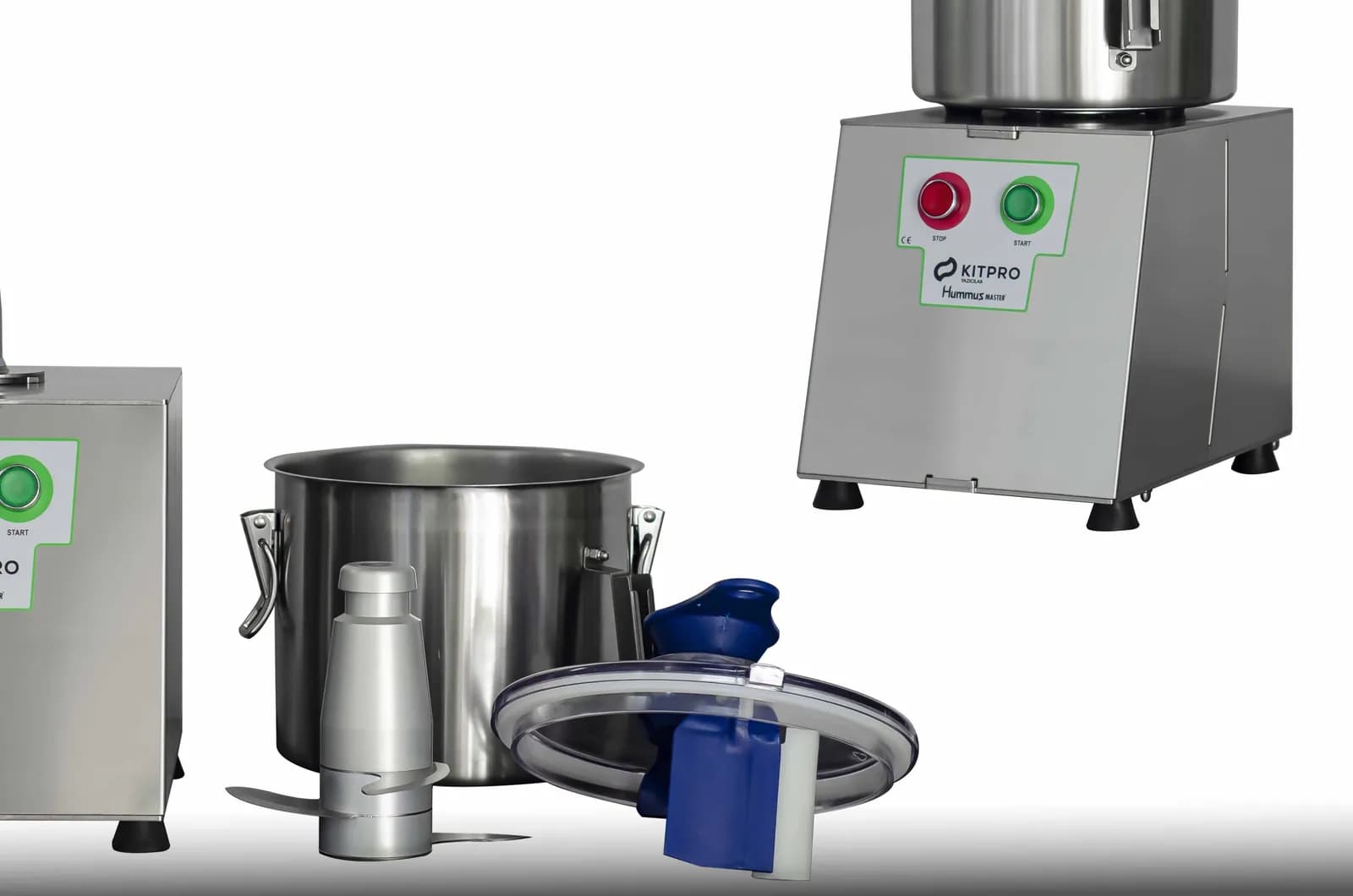
Easy cleaning and hygienic seals
In sauce production, cleaning can take as long as production itself: moving from a garlic sauce to a sweet cream requires a flawlessly washed bowl, lid and blade. On the countertop series the blade assembly comes off without tools, and every part, including the bowl, lid and seal, can be washed separately.
The transparent lid closes the bowl completely with a food-grade silicone seal: no sauce leaks out while running, nothing gets in from the surroundings. A micro switch stops the motor the moment the lid is opened. The bowl and blades in contact with the product are AISI 304 stainless steel and withstand acidic ingredients such as vinegar, lemon and tomato.
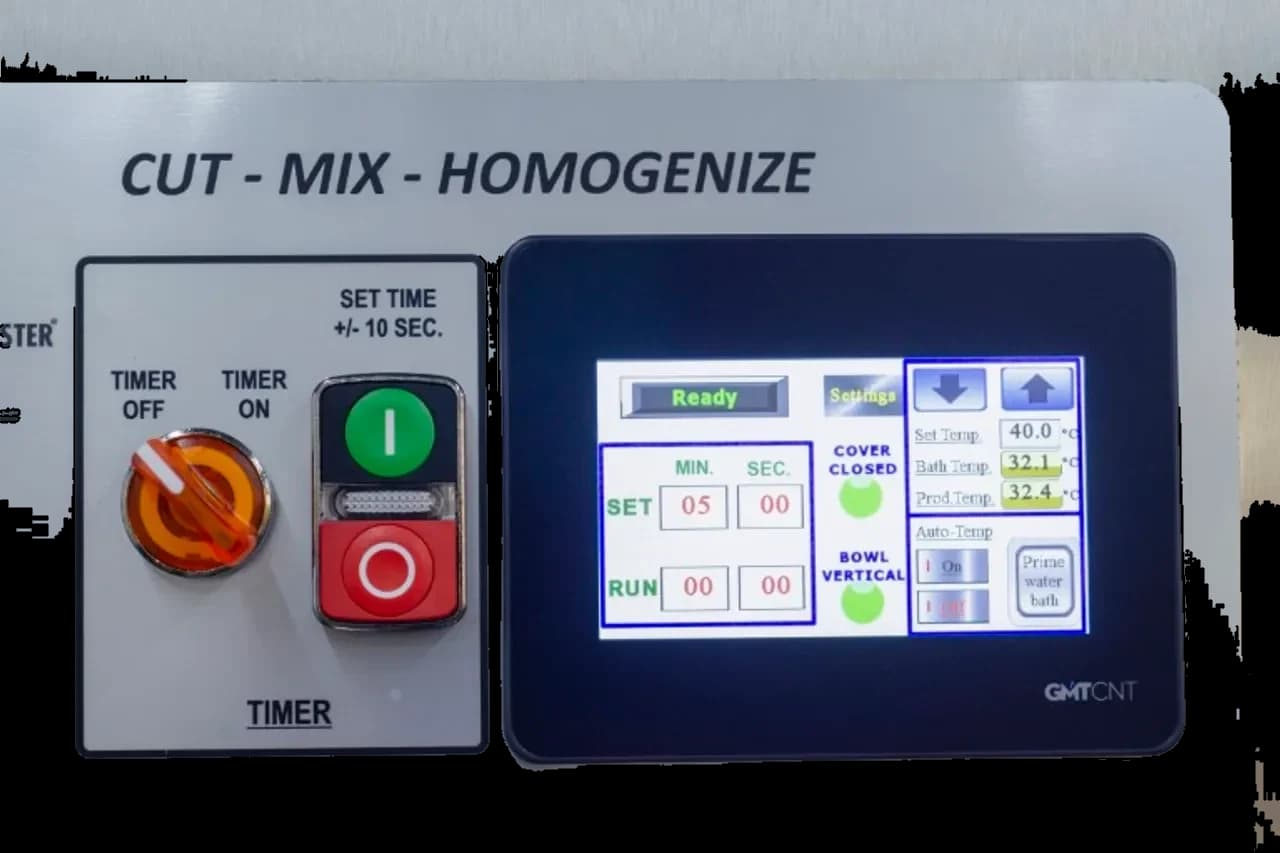
Cooked sauces: the Jacketed (Heated) Series
Tomato sauces, ragù, some pepper relishes and jam-like sauces are made by cooking. The Jacketed (Heated) Series combines cooking and mixing in one body: the water jacket reaches up to 85 °C for gentle heating, the oil jacket up to 160 °C for full cooking.
Temperature is controlled from the touch panel; because the blade keeps mixing while the sauce cooks, the risk of sticking and burning on the bottom is reduced. The 75 and 150 litre models let cooked sauces be prepared at industrial scale without transferring them to a separate kettle.
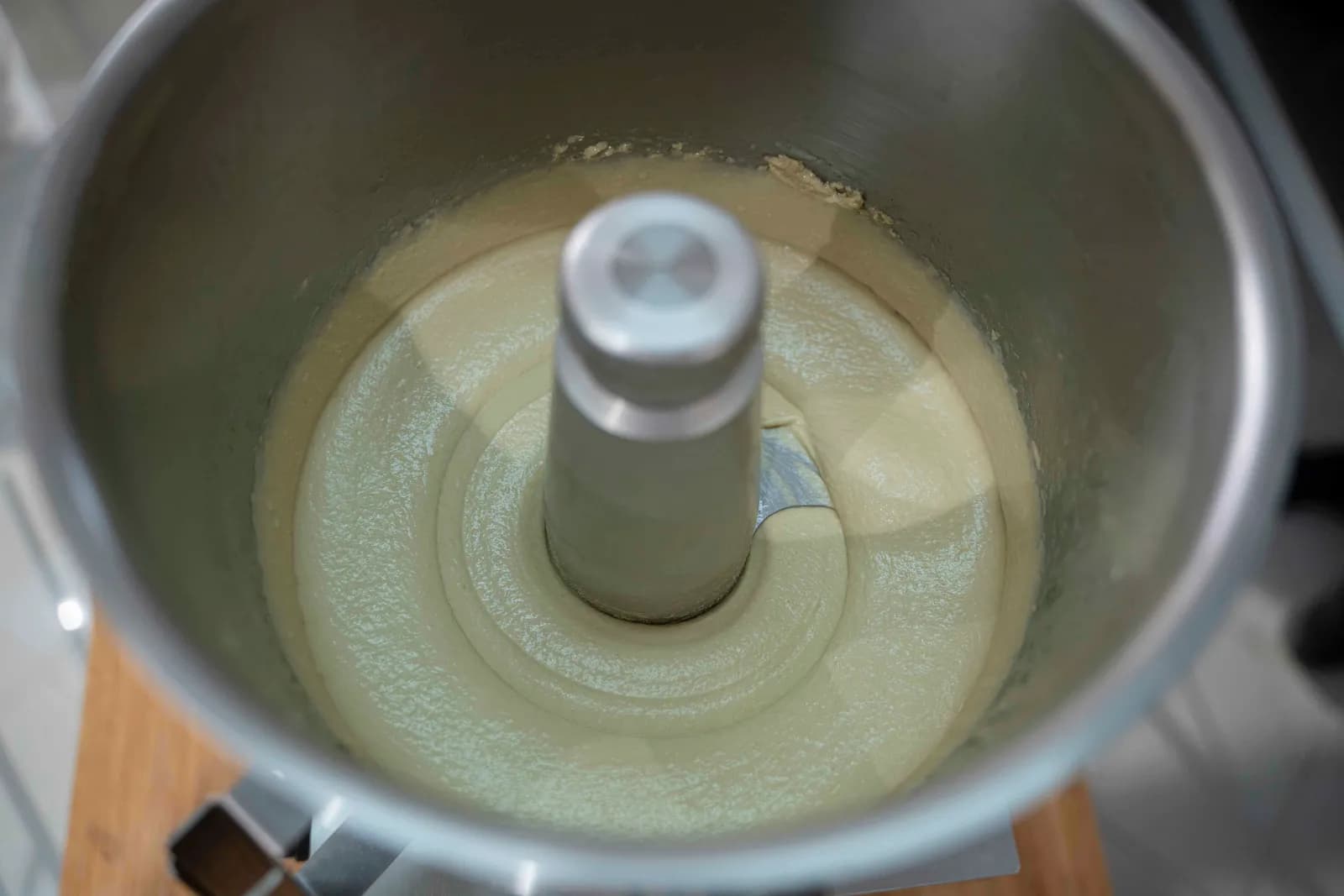
Emulsions: from mayonnaise to garlic sauce
Mayonnaise, garlic sauce (toum) and oil-based sauces are emulsions: oil droplets must be dispersed stably through a water-based phase. The wrong speed, or adding the oil all at once, means a sauce that separates on the shelf.
A gradual speed increase and slowly added oil are the basis of a stable emulsion. On inverter models this profile can be repeated as a recipe; the scraper arm integrated into the lid keeps bringing material that climbs the bowl wall back in front of the blade, supporting a homogeneous result.
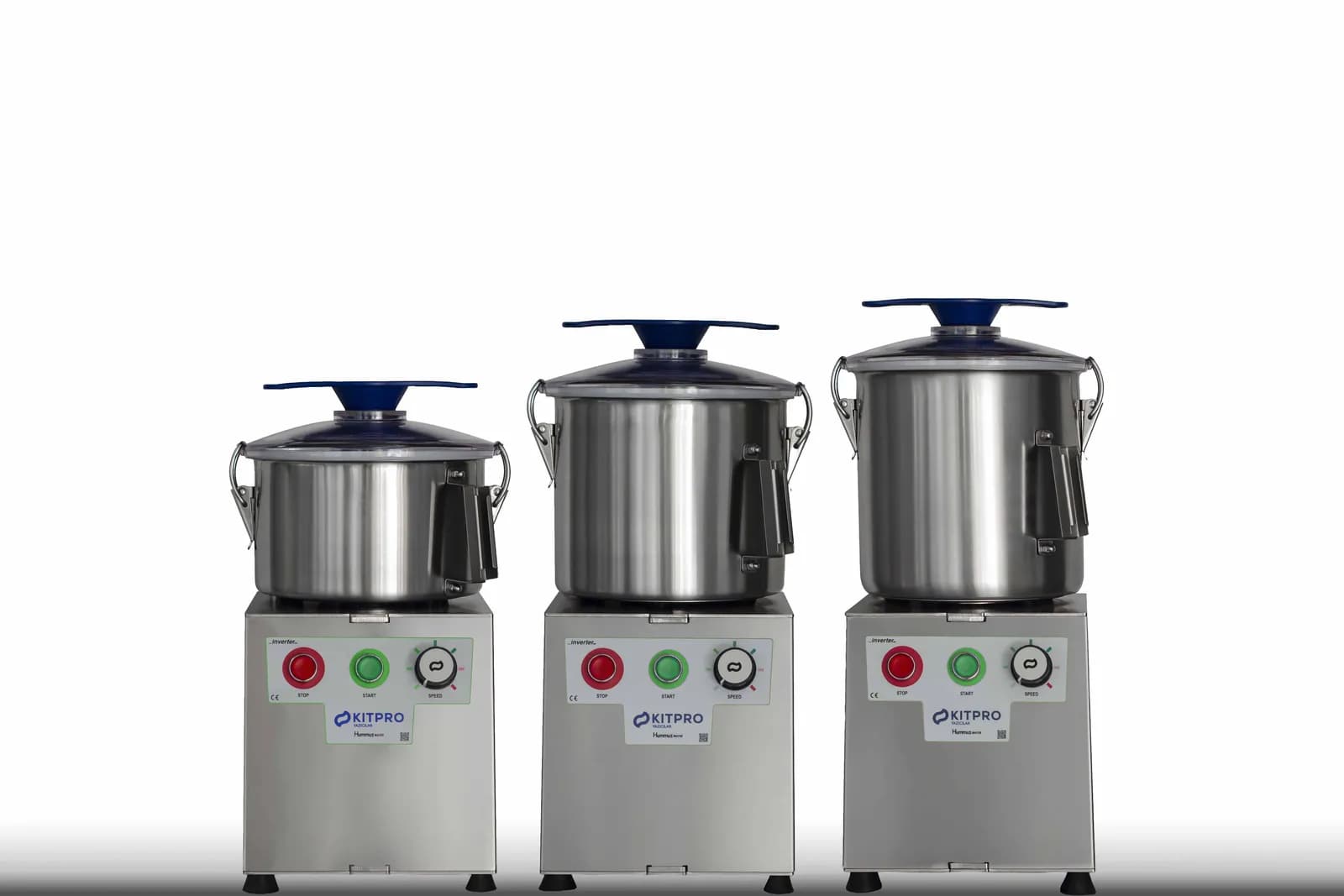
From artisan to industrial: same recipe, bigger batch
Many sauce brands start in a small kitchen on a 6-12 litre countertop machine. As demand grows they move up to the 20-65 litre floor-standing series, and at factory scale to 120 and 200 litre industrial cutters.
All KITPRO cutter mixers share the same working logic: chopping, texture and emulsion are managed on the same principles. So there is no need to rewrite the recipe as you scale; only batch size and times are adapted to the new bowl.
Approach by sauce type
The texture each of the shelf sauces aims for, and how it is produced in a cutter mixer:
| Sauce / spread | Target texture | Production approach |
|---|---|---|
| Pepper and tomato relishes (ajvar, lyutenitsa type) | Chunky or smooth | Pulse chopping, then speed up to the target consistency; heated series for cooked recipes |
| Tomato sauces, ragù | Smooth or with pieces | Cook-and-mix in the heated series; water jacket 85 °C, oil jacket 160 °C |
| Pesto and green sauces | Vivid colour, slightly grainy | Low to medium speed, short time; measured runs to avoid overheating |
| Mayonnaise, garlic sauce (toum) | Stable, silky emulsion | Gradual speed increase, oil added slowly |
| Mustards and hot sauces | Smooth | Homogenising at high speed; stainless bowl for acidic products |
| Olive spread, tapenade | Coarse to medium | Controlled chopping with short pulses |
| Peanut, sesame and hazelnut butters | Creamy | High speed, long run; up to 3,600 rpm on the VegiCut VC8-S |
| Pâté and spreads | Smooth, spreadable | Homogenising at high speed |
| Doner sauces (yoghurt, tahini, chilli) | Homogeneous, pourable | Mixing at medium speed; batch production with floor-standing series in a central kitchen |
Speeds and times vary with raw material, recipe and batch size; the table is a starting point. Contact us for a trial run with your own recipe.
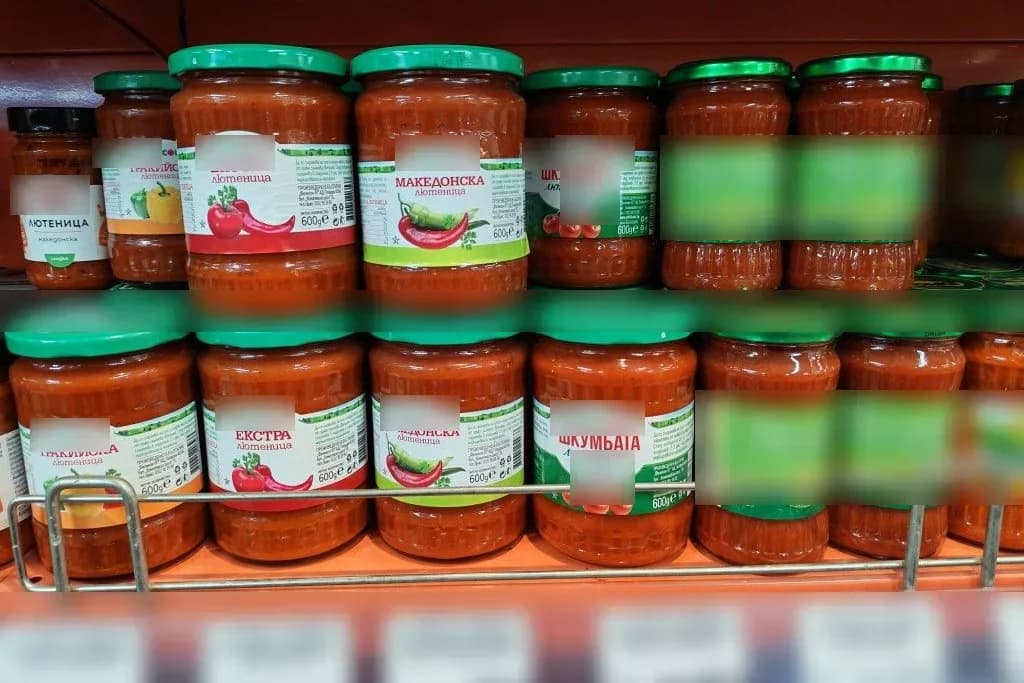
What's in the jar?
Examples from supermarket shelves in different countries: every one of these products is a sauce or spread that can be made with a cutter mixer. Images are for illustration only; the products belong to third-party brands.


The Sauce & Paste Production line at work
Rather than describe it, let us show you: a real production run on KITPRO machines. Making Fresh Pesto.
Request a quote for this productionThe right machines for Sauce & Paste Production
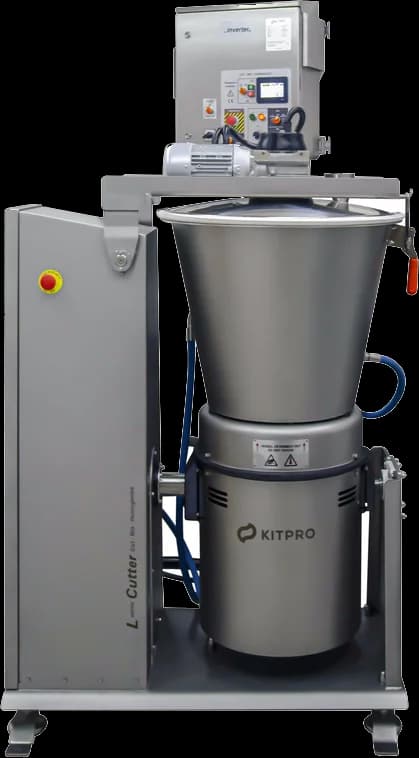
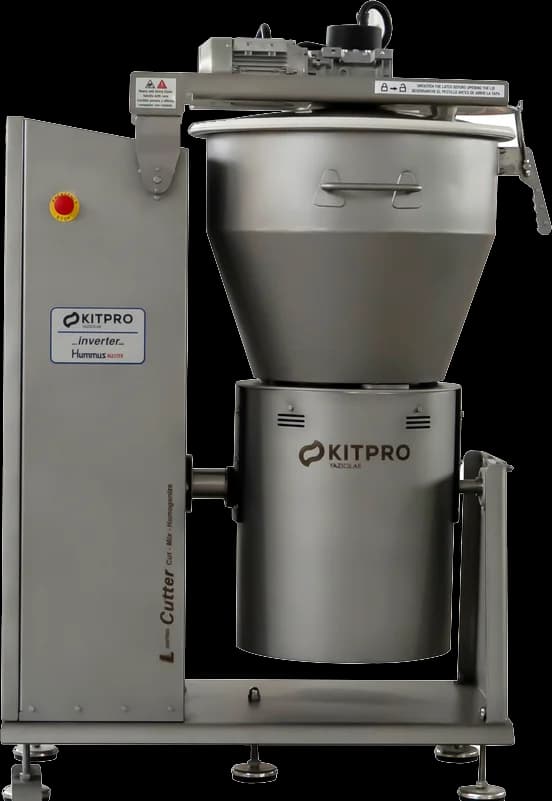
The KITPRO models most often chosen for this application area.
Find inspiration in the recipes
Watch how the same machines perform across different products.
Questions about Sauce & Paste Production
Can doner and shawarma chains produce their sauces in a central kitchen?
Yes. Doner sauces, including a shop's own signature sauces, such as garlic yoghurt sauce, chilli sauce, tahini sauce and toum, can be produced in batches in a central kitchen and distributed to the branches. Depending on the number of branches and daily demand, the 20-65 litre floor-standing series are recommended, with the Jacketed (Heated) Series for cooked sauces.
Which machine suits sauces that need cooking?
The Jacketed (Heated) Series combines cooking and mixing in one body. The water jacket heats up to 85 °C, the oil jacket up to 160 °C, and temperature is controlled from the touch panel. 75 and 150 litre models are available.
Which model suits emulsion sauces (mayonnaise, garlic sauce)?
Emulsion stability requires a gradual speed increase. Inverter-controlled models (DIV, VegiCut and the L Series) let you apply this profile repeatably. Contact us for a model recommendation based on your capacity.
How is the machine cleaned?
On the countertop series the blade assembly comes off without tools, and every part, including the bowl, lid and food-grade silicone seal, can be washed separately. Surfaces in contact with the product are AISI 304 stainless steel.
Do acidic sauces damage the machine?
No. The bowl and blades in contact with the product are AISI 304 stainless steel and withstand acidic ingredients such as vinegar, lemon and tomato. Washing after each batch is enough.
What else do you produce?
Let's find the right machine for your production
Answer two questions to find your match, or request a quote directly. Our engineering team replies within 24 hours.