
How heat destroys aroma
The characteristic scent of a spice comes from volatile oils trapped in its cell structure. Grinding breaks those cells and releases the oils, which is the point. But once released, the oil evaporates away as ambient temperature rises.
Heat comes from two sources: the impact energy of blade or hammer against the particle, and particles rubbing against each other. Both scale with speed. Double the speed and the energy transferred into the product (and therefore the heat) rises disproportionately.
The loss cannot be recovered. Cooling afterwards does not bring it back, and additives do not replace it. The only strategy in spice grinding is not to create the heat in the first place.
Four parameters that limit heat
Set together, these four bring temperature under control without a meaningful loss of capacity.
- Speed: run at the lowest speed that reaches your target fineness. Higher speed gets there faster but raises heat far faster still.
- Feed rate: uneven feeding leaves the chamber alternately empty and choked, and a grinder running empty heats up. Feed steadily at a moderate rate.
- Interval running: short passes with pauses between them let heat disperse. Total time is longer, but the product survives it.
- Screen selection: a screen finer than you need keeps material in the chamber longer and grinds it repeatedly. Be realistic about the fineness you actually require.
Heat sensitivity varies by spice
Not every spice is equally fragile. Those high in oil with abundant volatile compounds suffer first; dry, fibrous ones tolerate more. Sequencing production accordingly is the most practical way to protect different products on one machine.
- High sensitivity: cumin, coriander, black pepper, allspice; low speed and short passes.
- Medium sensitivity: chilli flakes, paprika, turmeric; colour loss also increases with heat.
- Low sensitivity: dried garlic, dried onion, salt blends; more flexibility on speed.
- Oilseeds (sesame, flax): they release oil as they grind and need wet-grinding equipment rather than a dry grinder.
Balancing capacity against aroma
Interval running and lower speeds look like lost capacity at first glance. In practice most of that loss disappears once the machine tier is right: running the next size up comfortably beats pushing a small grinder to its limit, both in output and in product quality.
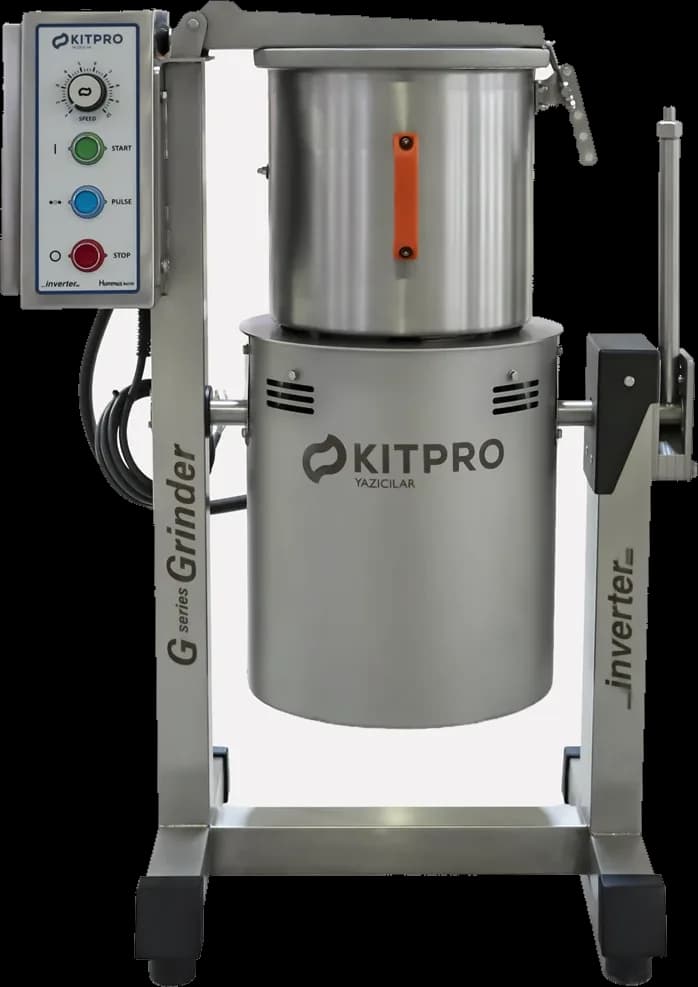
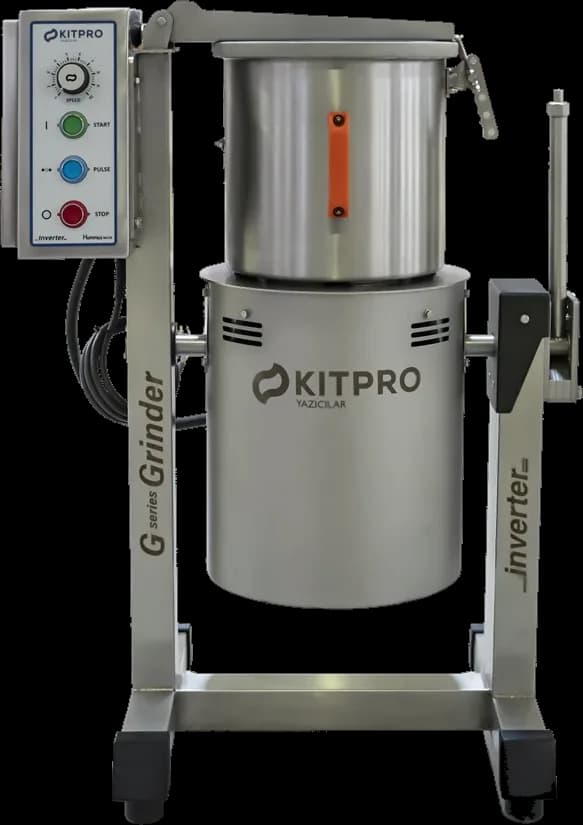
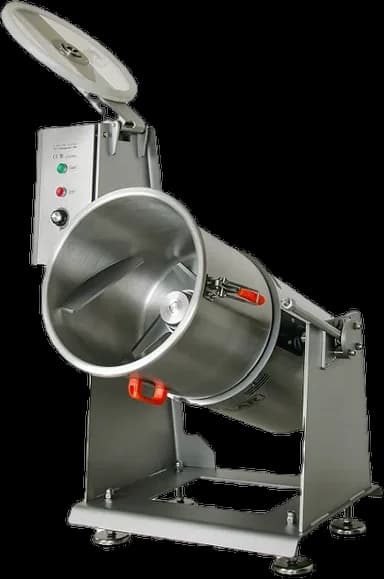
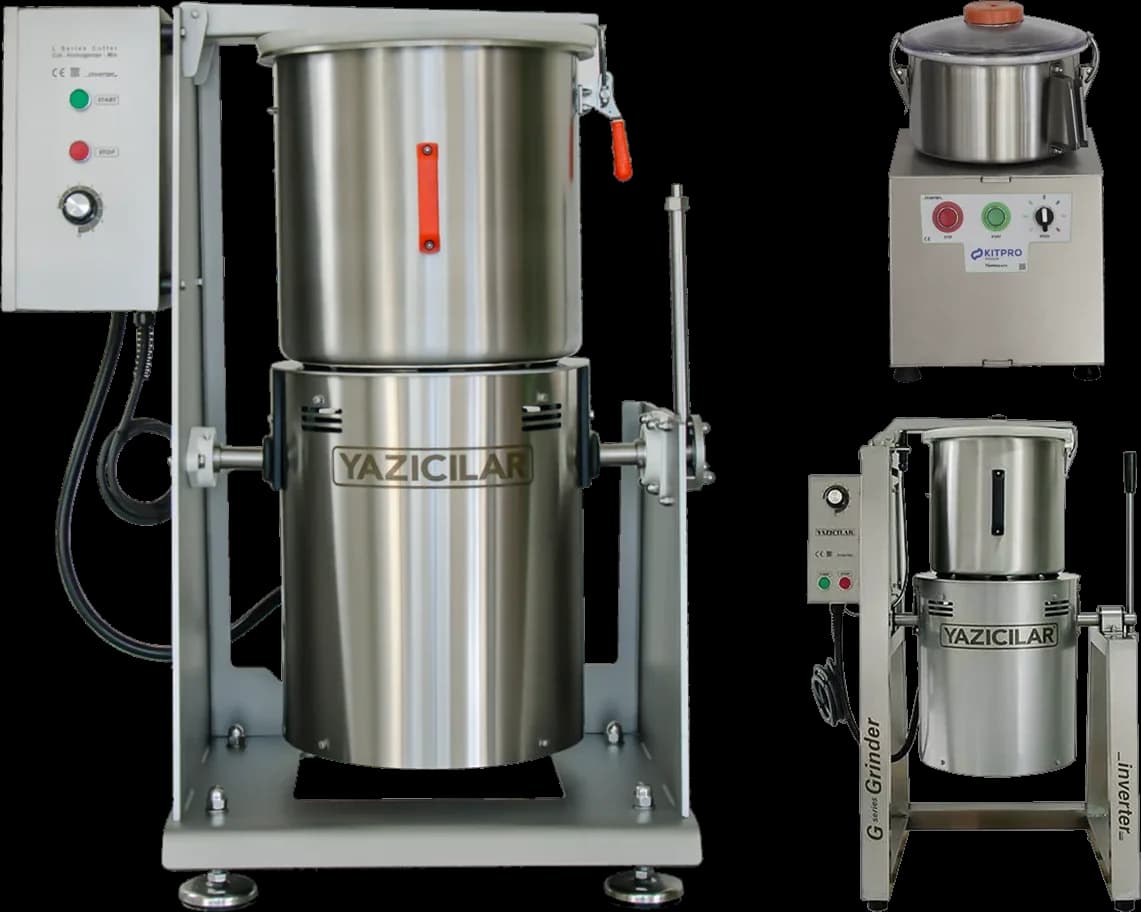
The KITPRO grinder range is built on that logic: the 6-litre G6 for small batches and laboratory work, the 20-litre G20 for mid-scale production, and the 45-litre G45 for output running into hundreds of kilograms an hour. Variable speed control lets each product run at the lowest speed it needs.